Our programmes
Every child with albinism has the right to learn, and the ability to succeed. Albinism does not affect intelligence. But low vision, strong sunlight in the playground, and teasing or exclusion can make school very hard, and many learners with albinism fall behind or drop out without the right support.
We work with learners, parents and teachers so that children and young people with albinism can see, learn, take part and thrive in class.
Helping learners access eye checks and low-vision aids such as magnifiers, and encouraging large-print and high-contrast materials.
Training and guidance for teachers on inclusive classroom practice and sun safety at school.
Helping learners with school fees and learning materials where families cannot afford them. Read about the appeal.
Talking with pupils, staff and parents to challenge myths and make schools safe and welcoming.
An albinism guide for teachers, adopted and adapted for the Cameroonian context; a pilot workshop and teachers’ survey took place on 21 February 2026, and classroom testing with ten teachers is next. The booklet is cited by the Unlocking Data Initiative as an example of turning evidence into classroom action.
The latest inclusive education activities.

The Unlocking Data Initiative has published a blog reflecting on the work of AWA’s Executive Director, Ngom Maceline Anwi, on making foundational learning data…
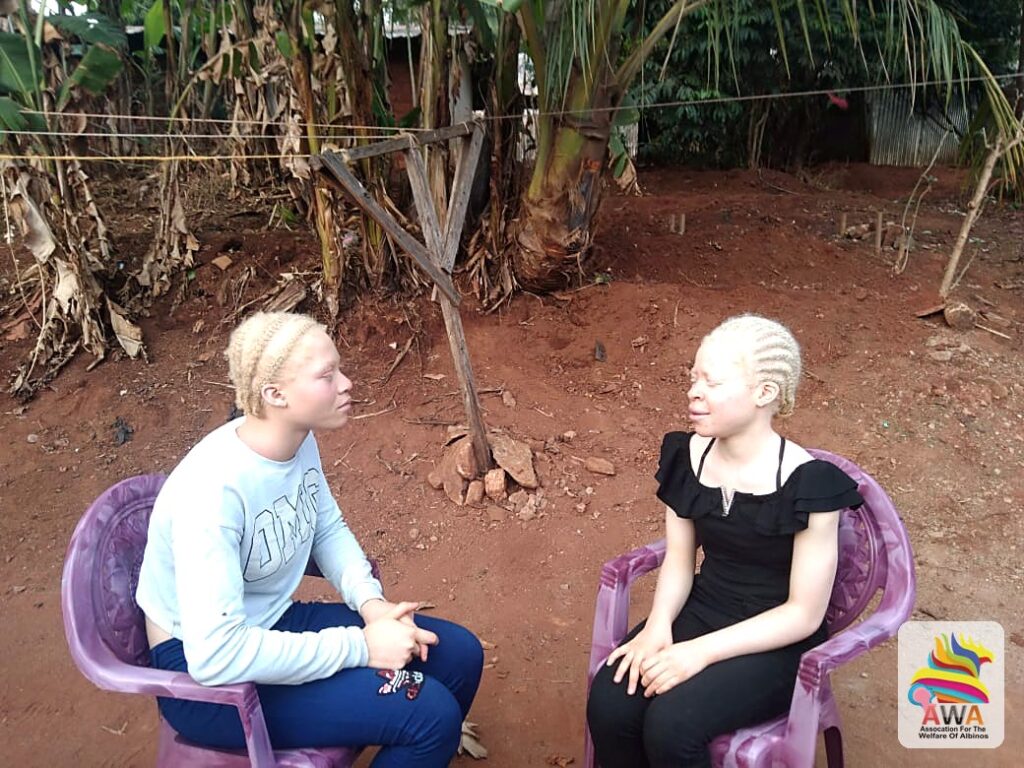
On the eve of International Albinism Awareness Day 2026, two children supported by AWA spoke on CRTV Bamenda about school, belonging and what AWA…
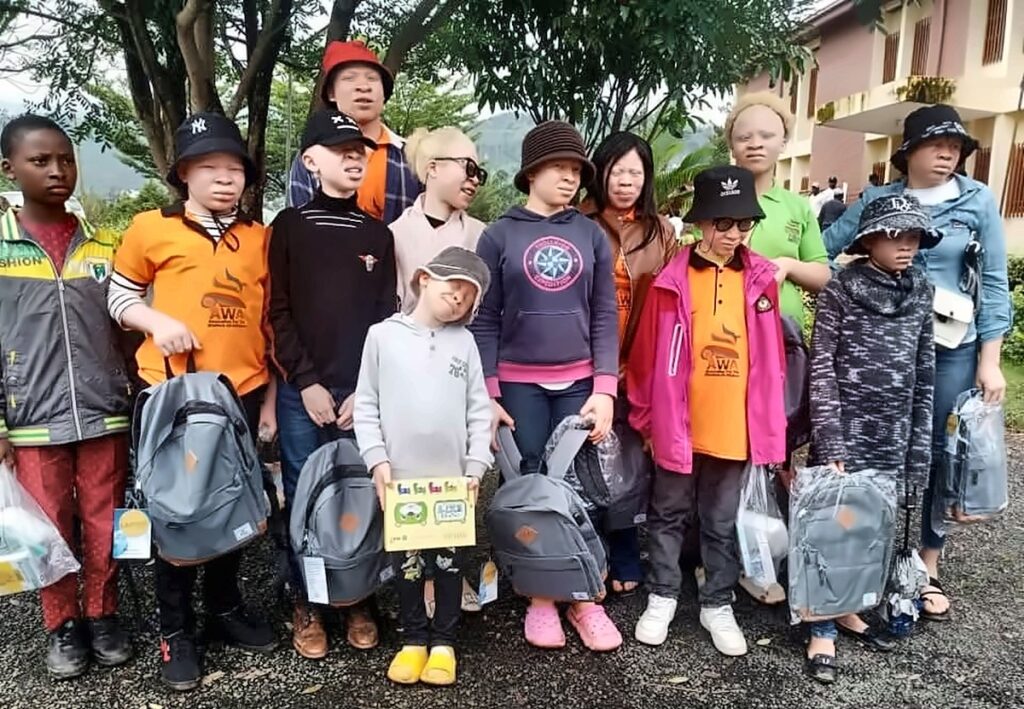
Now in its fourth year, AWA’s Send a Child with Albinism to School initiative has supported more than 100 children with school materials and…
Support school fees, learning materials and low-vision aids.