






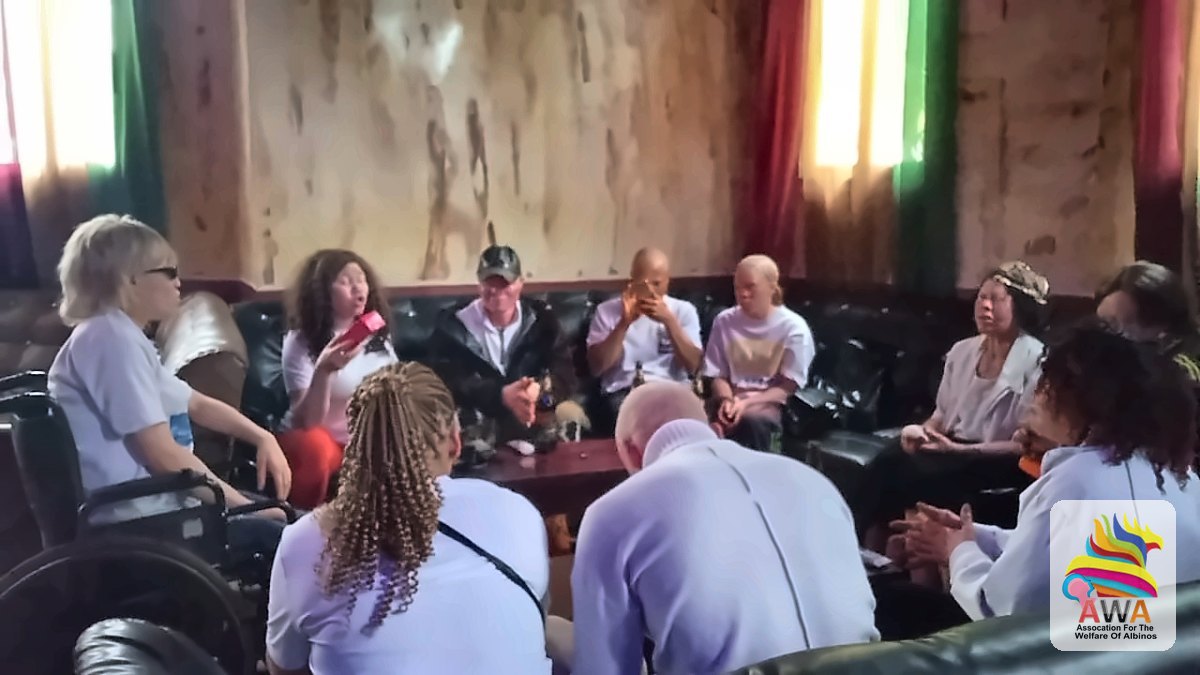
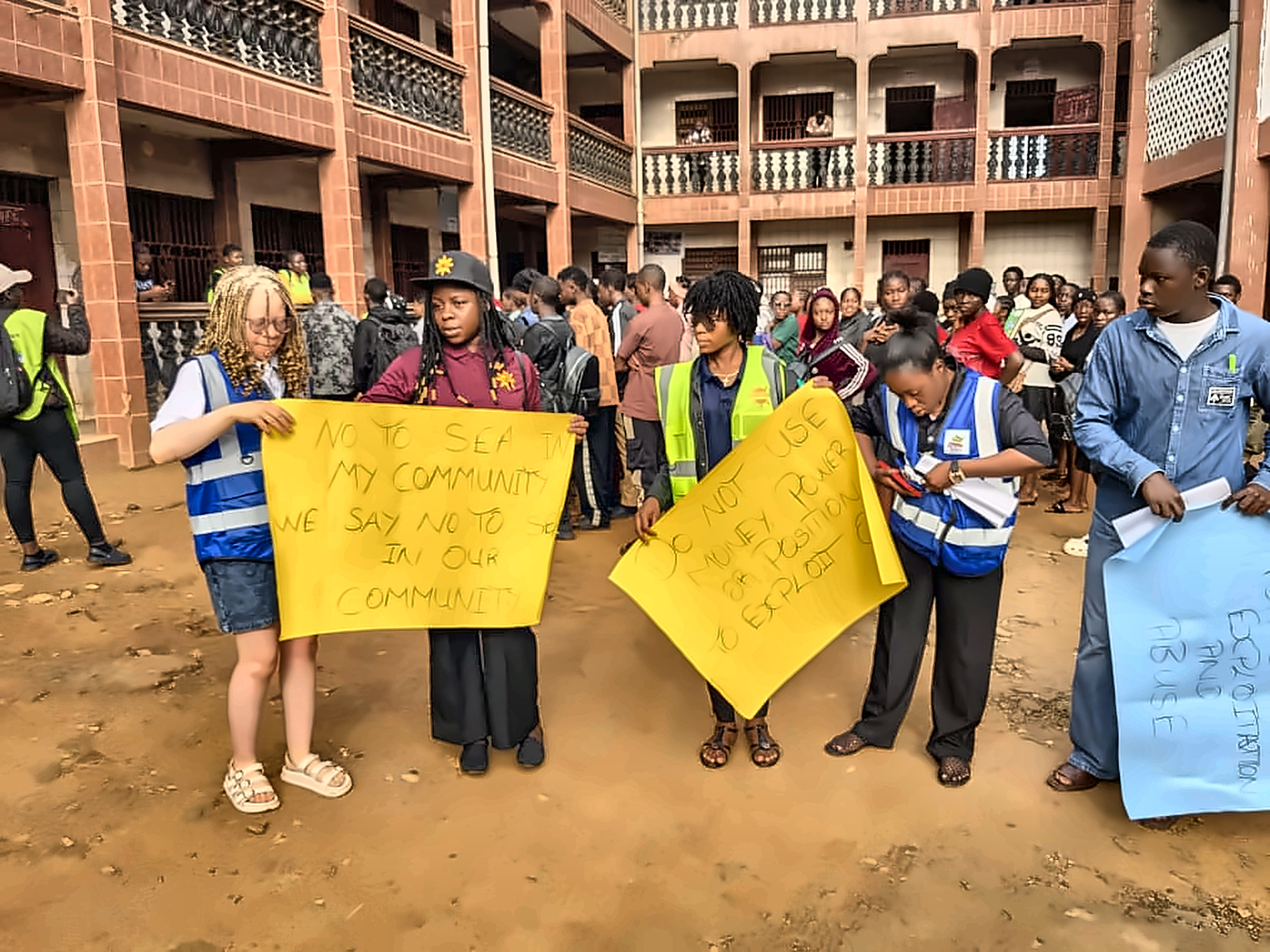
16 Days of Activism 2026: join AWA in Bamenda to end gender-based violence
From 25 November to 10 December 2026, with a focus on women and girls with albinism and disabilities.
16 Days of Activism against Gender-Based Violence: join AWA in Bamenda to end violence against women and girls, including women and girls with albinism and disabilities.
Without protection, skin burns quickly and skin cancer can follow.
Most people with albinism have low vision, which affects learning and daily life.
False beliefs lead to stigma, exclusion and, in the worst cases, violence.
Many children and adults miss out on school, work and community life.
Sun protection, skin and eye care.
Learn more about Health & Skin ProtectionAlbinism is a curse or a punishment.
Albinism is a genetic condition passed on by both parents. It is no one’s fault.
You can catch albinism by touching someone.
Albinism is not contagious. You cannot catch it.
People with albinism have magical powers.
This belief puts lives at risk. People with albinism are ordinary people with the same rights as everyone.
A genetic condition in which the body produces little or no melanin, the pigment that colours skin, hair and eyes. It affects people of all backgrounds.
Yes. Most have low vision, which glasses, magnifiers, large print and a seat near the board can help with.
Sunscreen (SPF 50+), wide-brimmed hats, long sleeves, and staying in the shade between 10 am and 4 pm.
Yes. Albinism does not affect intelligence. With simple classroom support, learners with albinism do well.
Give, sponsor a child’s education, volunteer, partner with us, or share accurate information about albinism.
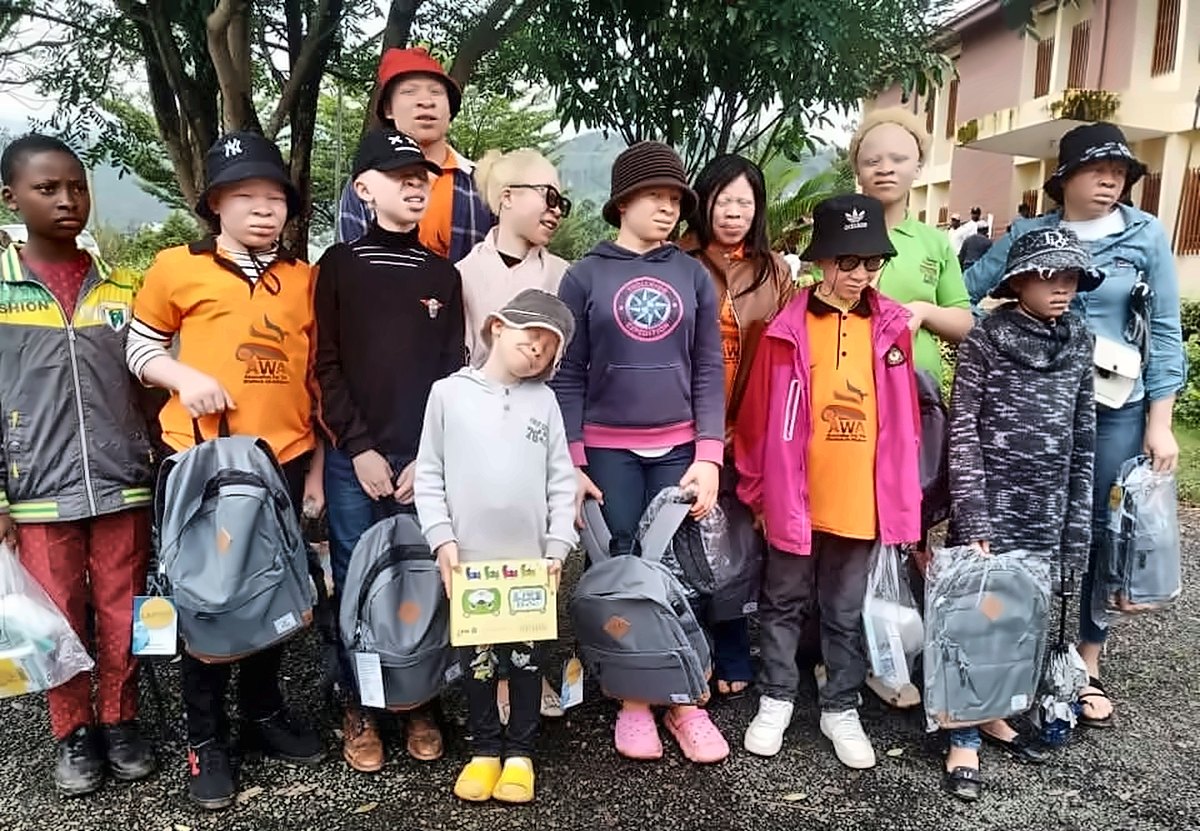
35,000 FCFA
covers one year of public secondary school tuition and PTA fees for a learner with albinism.
Sponsor a Child
As a woman with albinism and a nurse, I know first-hand what it means to burn under the sun, to struggle to read the board and to face stigma. I founded AWA in Bamenda in 2016 so that no person with albinism in Cameroon would face these challenges alone.
Today, AWA is a registered association guided by a volunteer Board and an executive team, with more than 80 volunteers who have given their time and skills, working alongside families, schools, communities and partners.
“Together, we can make every person with albinism safe, included and able to thrive.”
Ngom Maceline Anwi
Founder and Executive Director, registered nurse
“AWA did not simply bring sunscreen and vision aids; they restored our confidence.”
Community focal person
Read more stories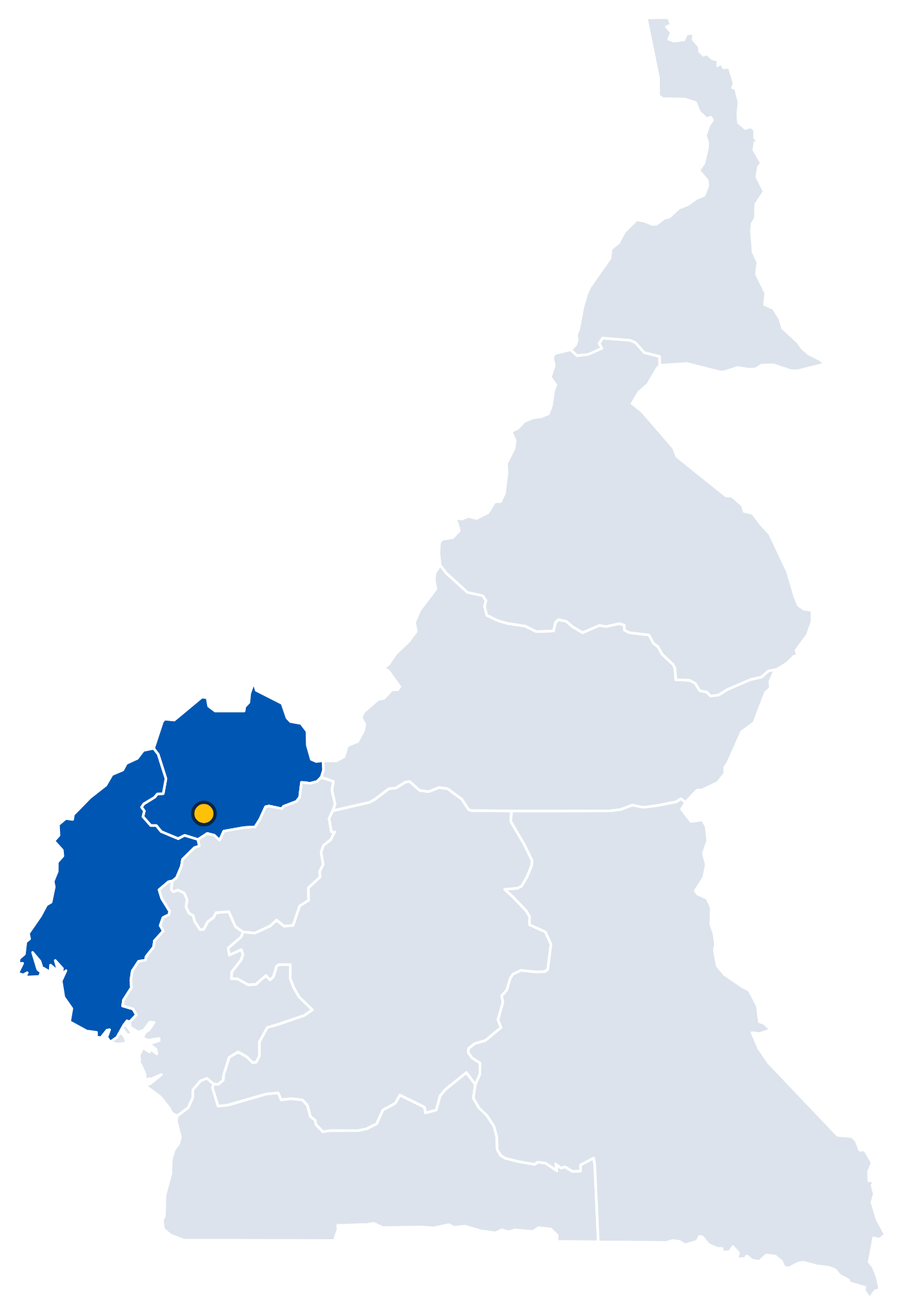
We are based in Bamenda. We focus on the North-West and South-West regions, and we also work in the Littoral, Centre and West regions of Cameroon.
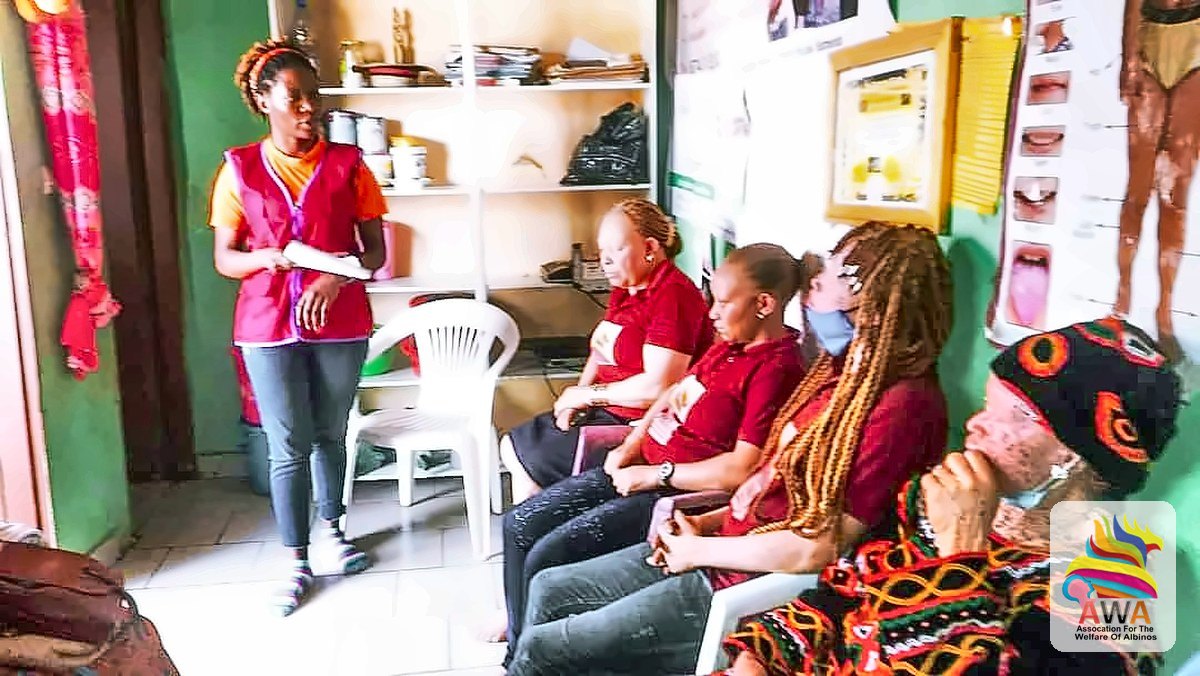
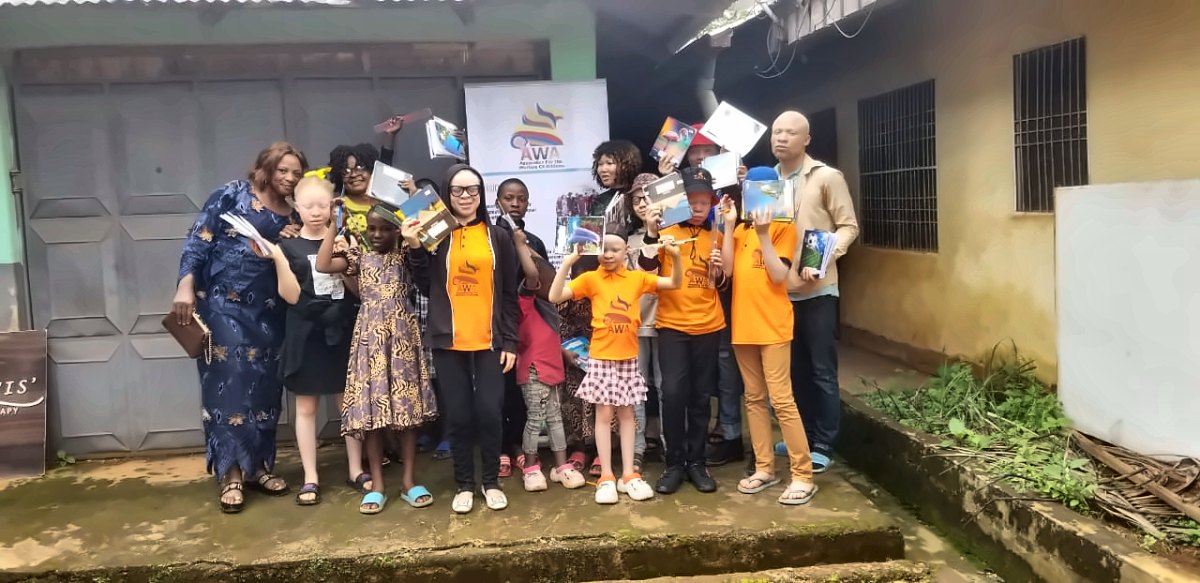
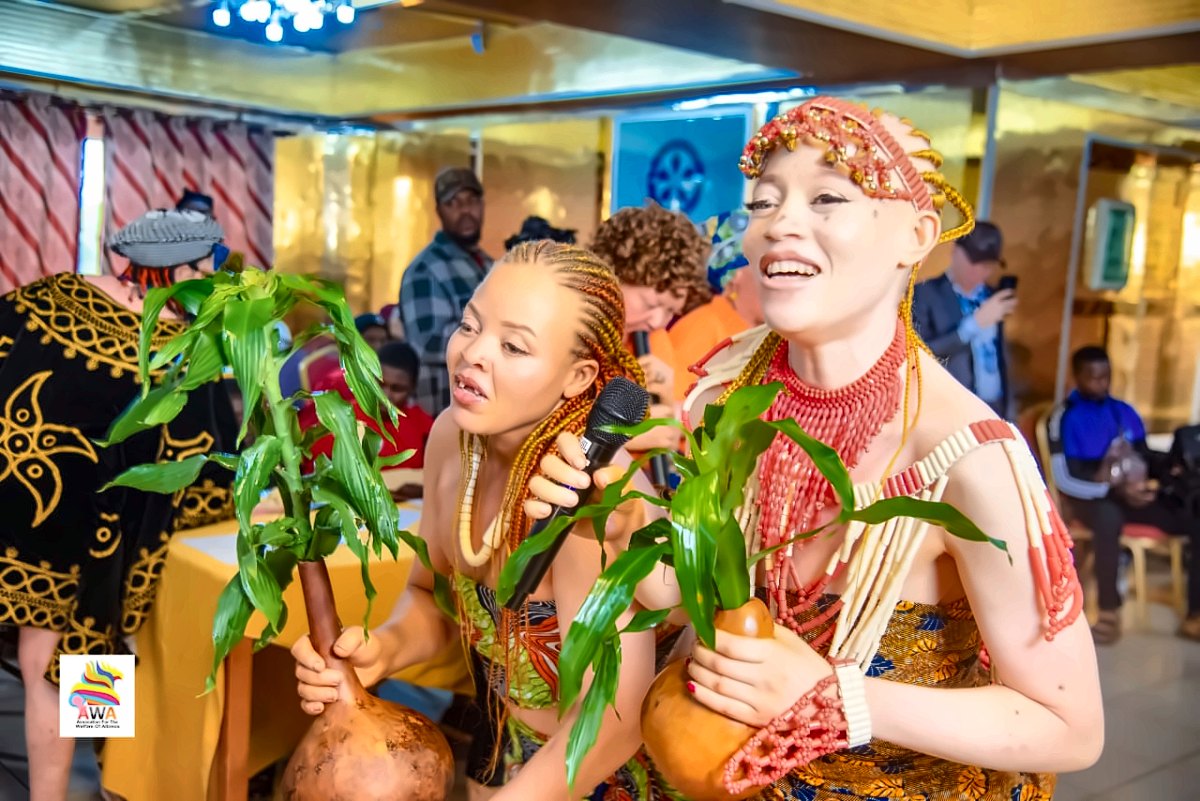
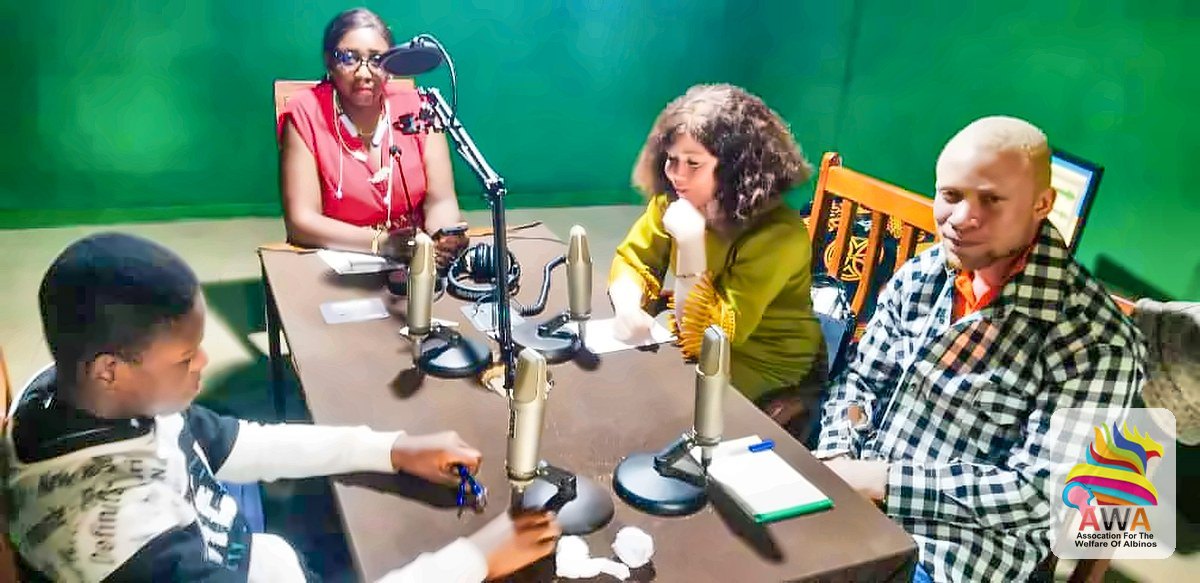
Moments from our activities with persons with albinism, families and communities across Cameroon.
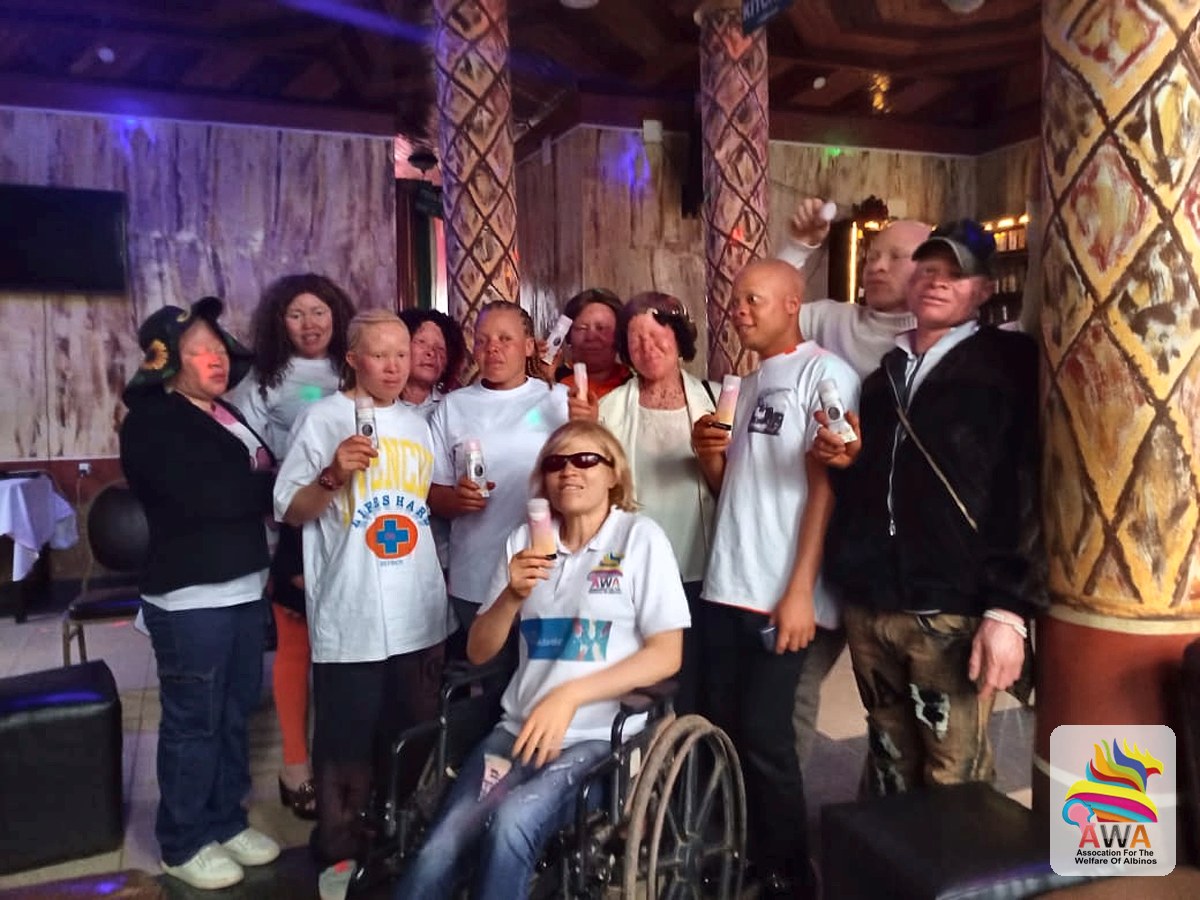
From 25 November to 10 December 2026, with a focus on women and girls with albinism and disabilities.
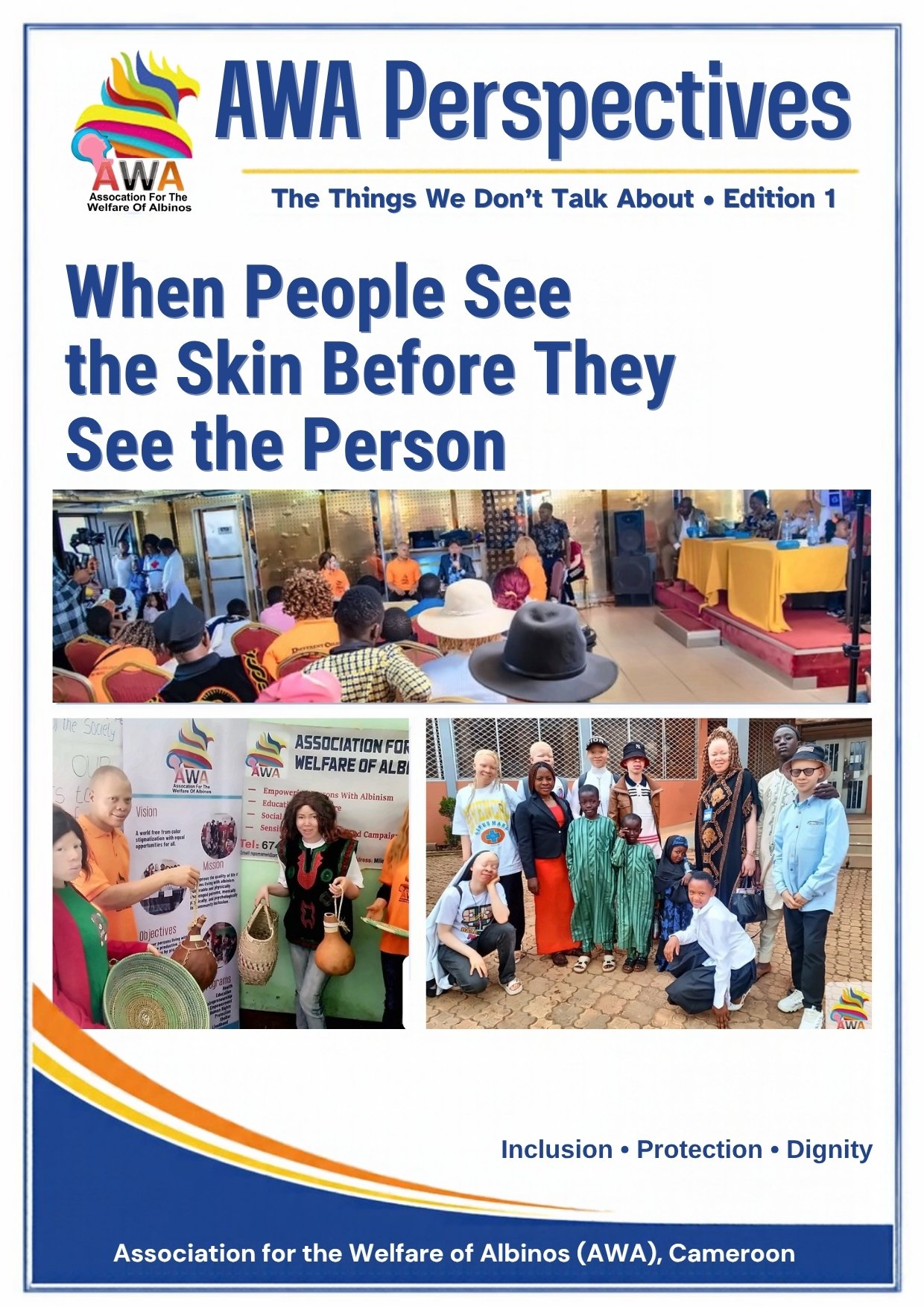
The first edition of our new series, The Things We Don't Talk About.

AWA trains members to make quality products and helps them find buyers.
As featured on
Get AWA news, stories and updates in your inbox.
We never share your email. You can unsubscribe at any time. See our Privacy Policy.
Your support protects health, education, safety and dignity.